いけばなの基本
2026.02.01
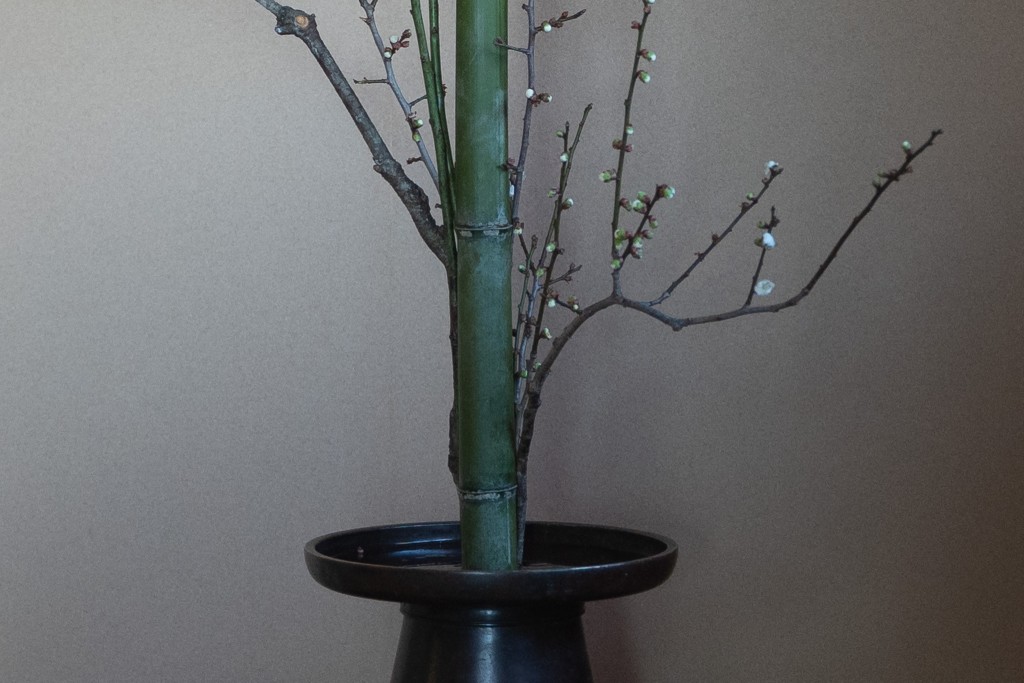
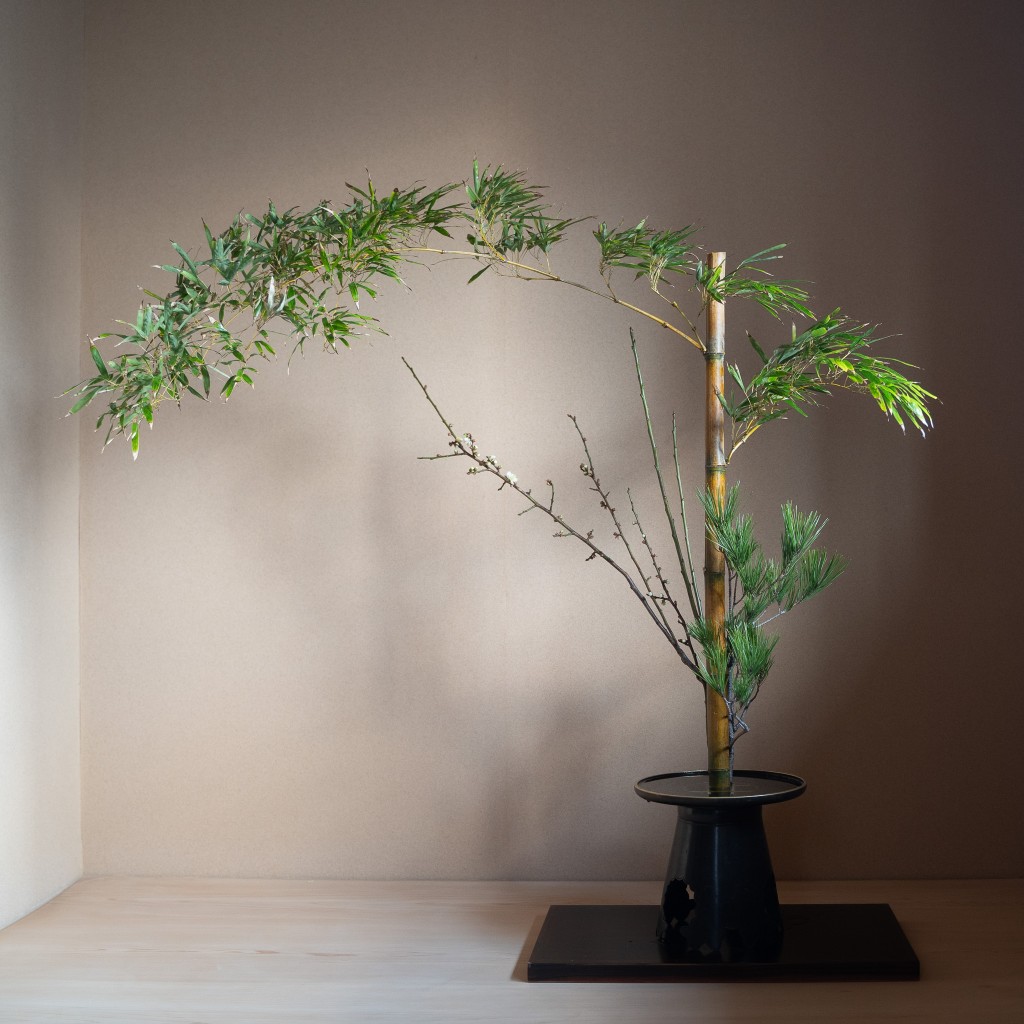
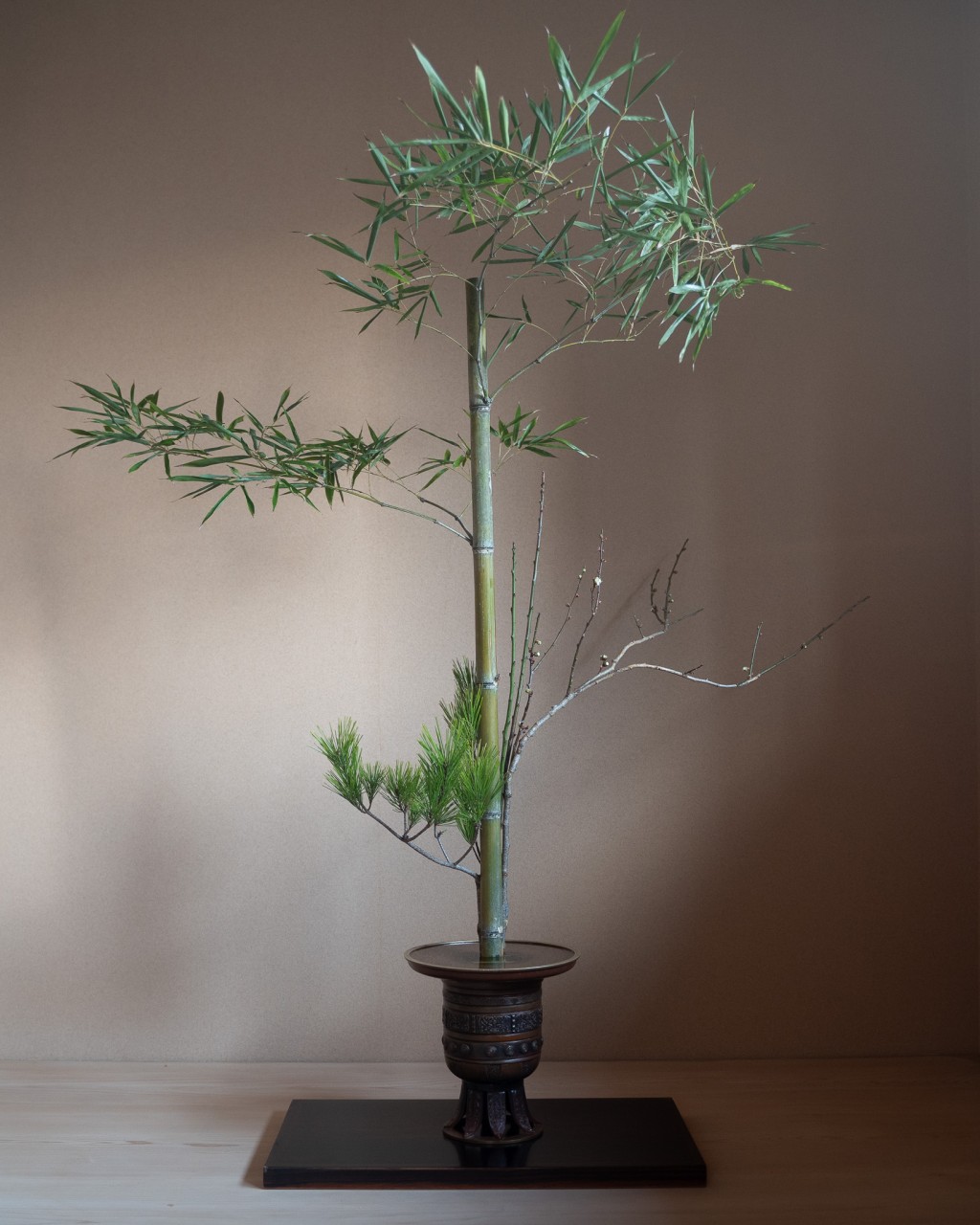
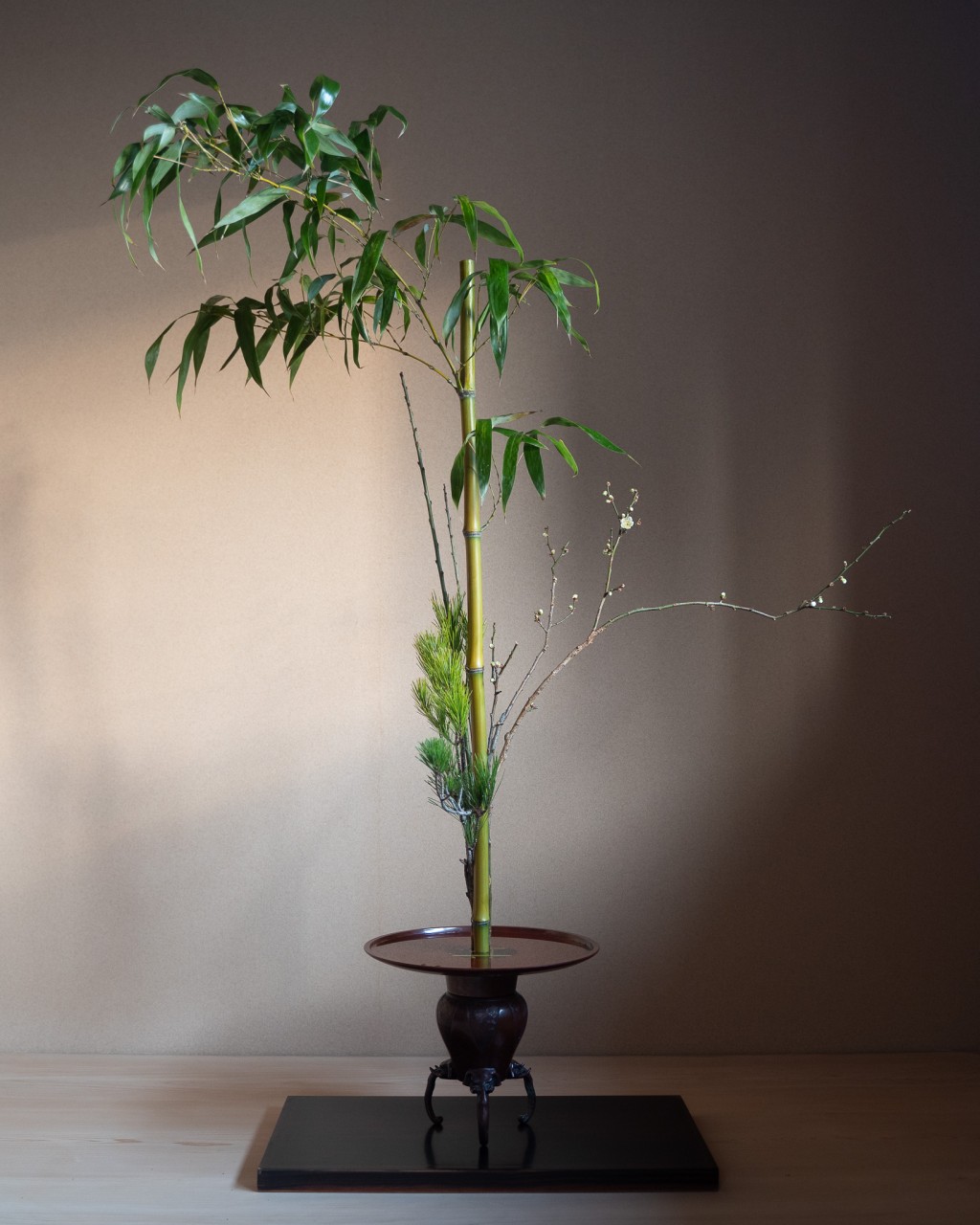
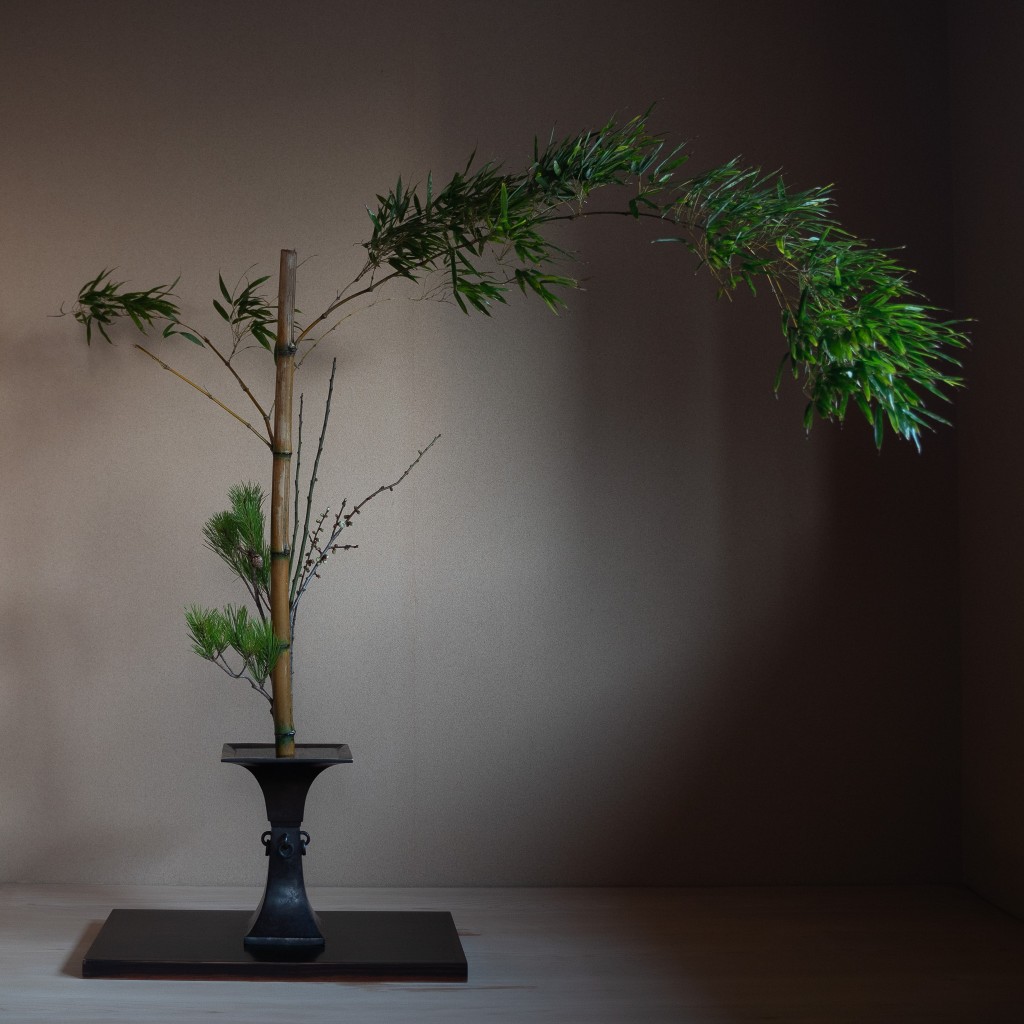
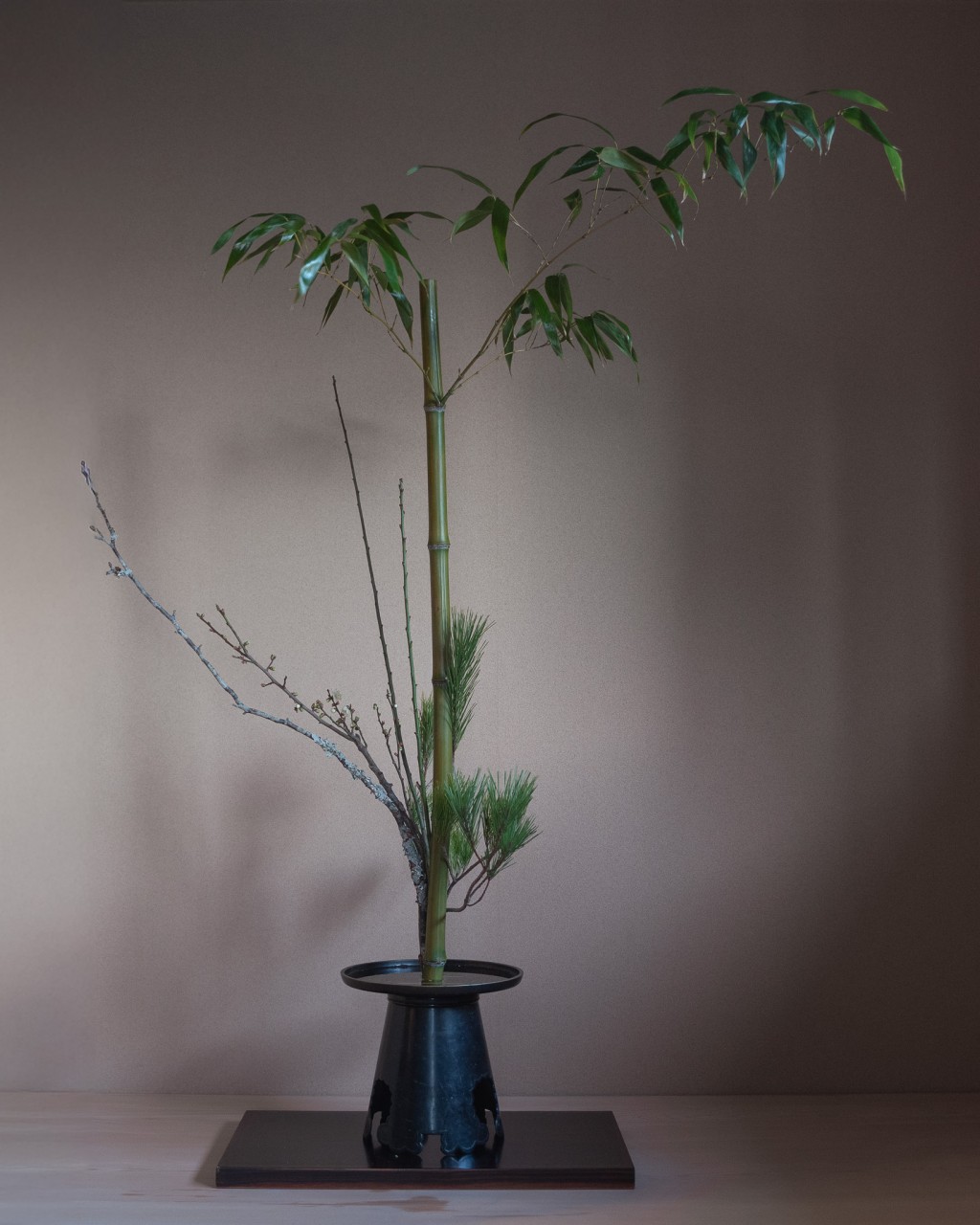
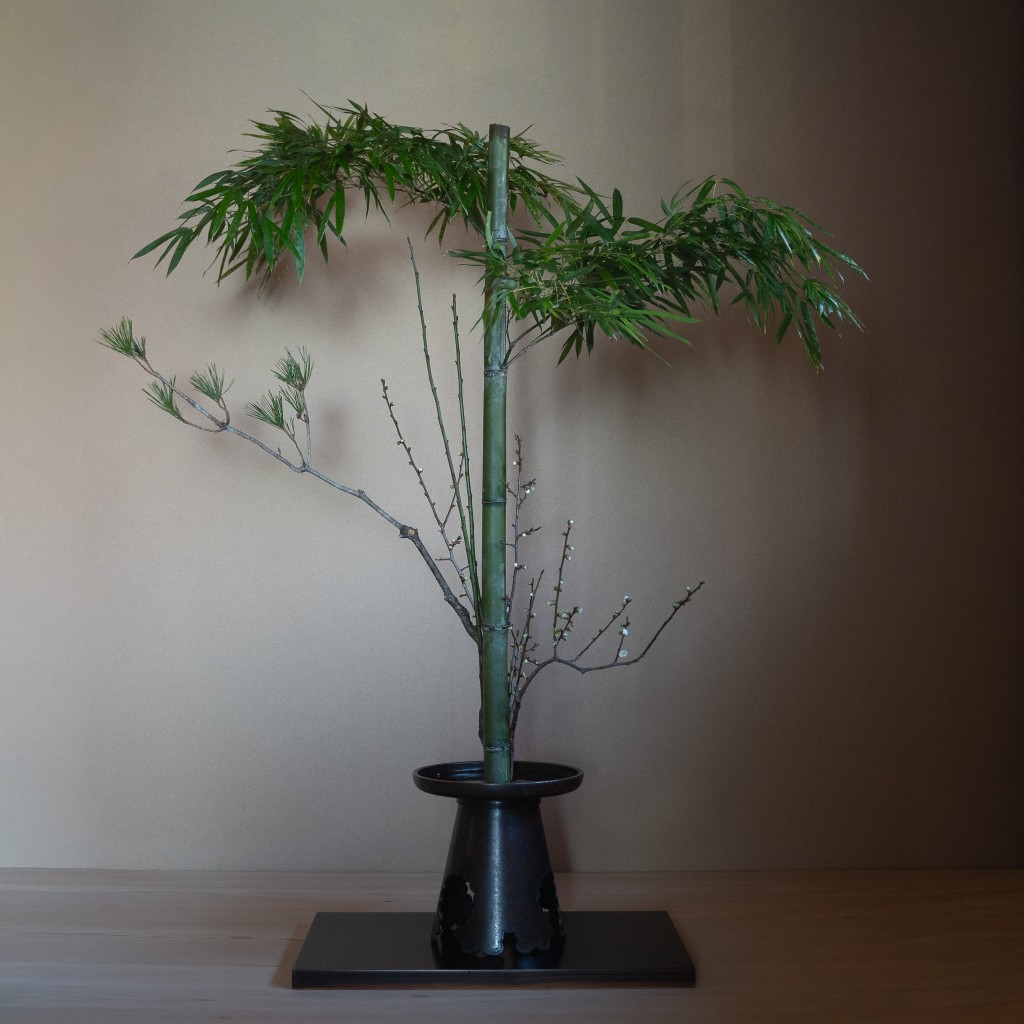
松竹梅という古くから伝わる特殊な生花を稽古しました。伝統的な生花では通常1種類または2種類の植物を用いることになっていますが、このは例外で昔からめでたいものの代表とされる松、竹、梅の3種類を組み合わせていけます。3種類をどこにどのように配置するかは決まりがなく、それぞれの枝の個性を捉えて適材適所に配置します。そのためそれぞれに全く違った生花ができあがります。
井筒配りという特別な留め方を用いるため、技術的にもとても難しいのですが、皆さんよくいけることが出来ました。
この松竹梅は、梅のある季節にしかいけられず、また花材費も非常に高額になるため、毎年1回だけしか稽古をしません。貴重な機会を捉えてよく頑張りました。
We practiced a special and traditional style of Ikebana called Sho-Chiku-Bai. In traditional Shoka, we usually use one or two kinds of plants. But this style is different. It uses pine, bamboo, and plum, which are symbols of good luck in Japan.
There are no fixed rules about where to place the three plants. We look at the character of each branch and place it in the best position. Because of this, everyone’s Shoka becomes completely different.
This style uses a special fixing method called Izutsu-kubari, so it is very difficult technically.
Even so, everyone did a great job.
Sho-Chiku-Bai can only be made in the season when plum is available, and the flowers are very expensive. For this reason, we practice it only once a year. My students made good use of this rare opportunity and worked very hard.