
いけばなの基本
2026.10.19
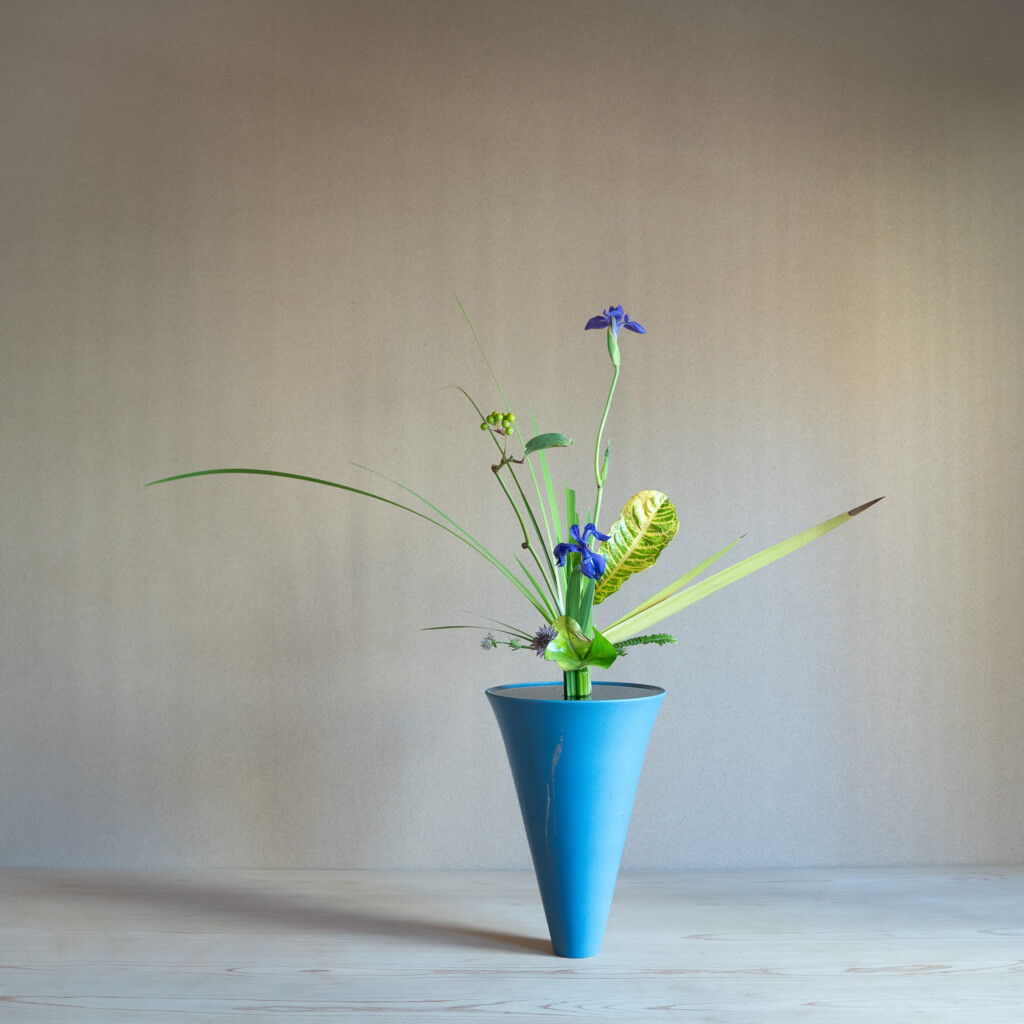
このたび、「立花」が国の重要無形文化財に指定され、その保持者として我々池坊の家元である池坊専永宗匠がその保持者として認定されることになりました。いわゆる人間国宝となったわけです。
宗匠が人間国宝となることは、池坊門弟として大変喜ばしいことです。それと同時に我々が常日頃立てている「立花」が重要無形文化財に指定されたことも、我々にとっては実に意味のあることです。我々はずっとこの立花に価値を認めて、長い間研鑽に励み芸を継承してきたわけですが、それが公にも日本の文化の中で重要なものであると認められたわけです。
どのような点が価値があると判断されたのか、文化庁が公表している資料から引用してみます。
“立花は、七つ道具等と称される役枝を有する華道における伝統的な様式の一つであり、室町時代、座敷飾等で飾られた「たて花」から発展し、江戸時代前期に成立した。立花は、華道の古態を残すものとして、生活文化に係る歴史上重要なものである。その技法は、季節感等を勘案して花材を選び、花材の長さや枝などを配する適切な寸法を測り、各花材の特徴を生かしつつ役枝に応じて捌く・切る・透かす・撓るなどをして整え、花器に立て、山や野・水辺等の自然を一瓶に表すための高度なものである。以上のように、立花の技法は、生活文化に係る歴史上特に重要な地位を占めるとともに、芸術上特に価値の高いものである。”
ここに述べられているように、立花は歴史的な資料としての価値と、現代にも息づく芸術上の価値の両方を有しているわけです。実際に立花を立てる身としての実感として、非常に納得がいきます。立花を学ぶことで先達が草木に向けた眼差しを追体験することができます。同時に立花の複雑で緻密な型はひとつの完成された美であり、単なる過去の遺産ではなく、現代の我々の感覚で見ても実に魅力的な美しさを見せてくれます。
実際に僕が立てた立花をいくつかお見せしましょう。一口に立花と言っても幅広いものですが、どれも美しいと思いませんか。先達が残してくれた型を学ぶことで、僕のような凡人でもこんな美を生み出せるのです。
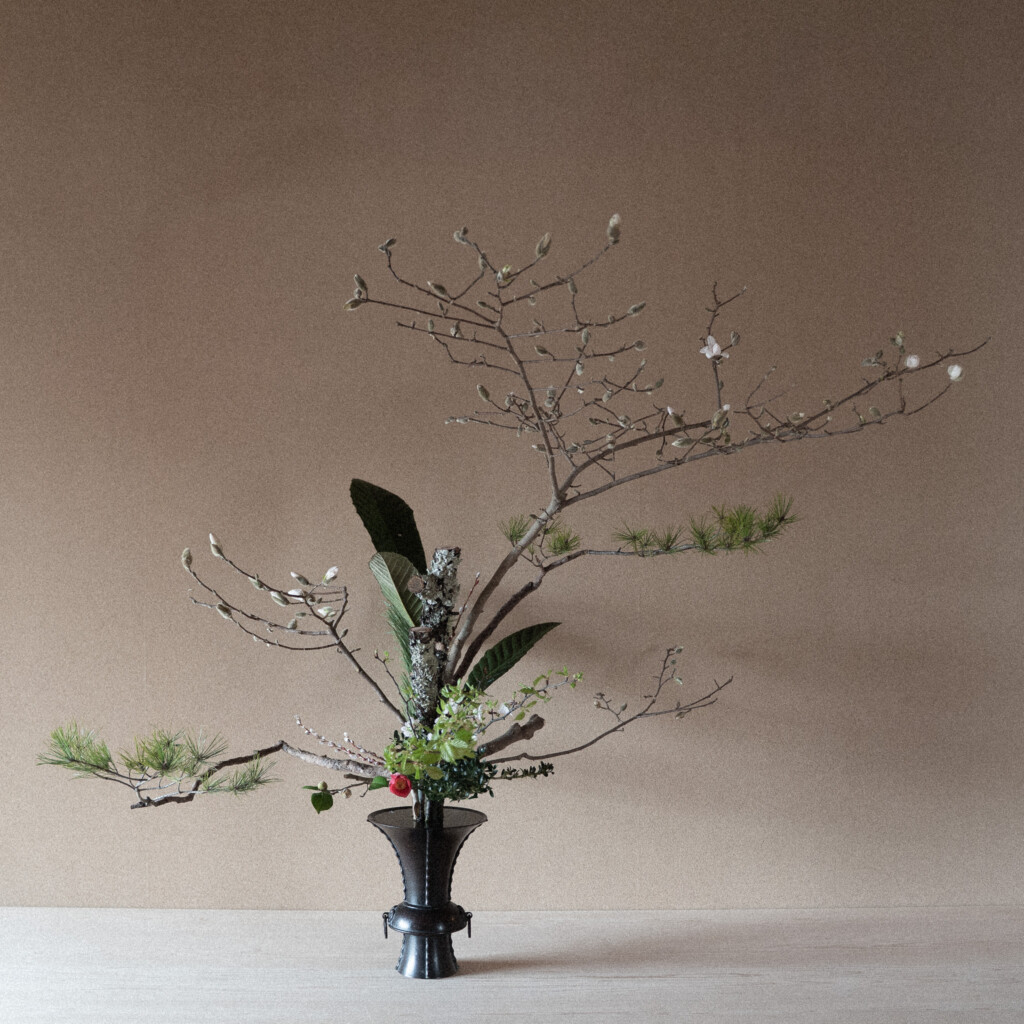
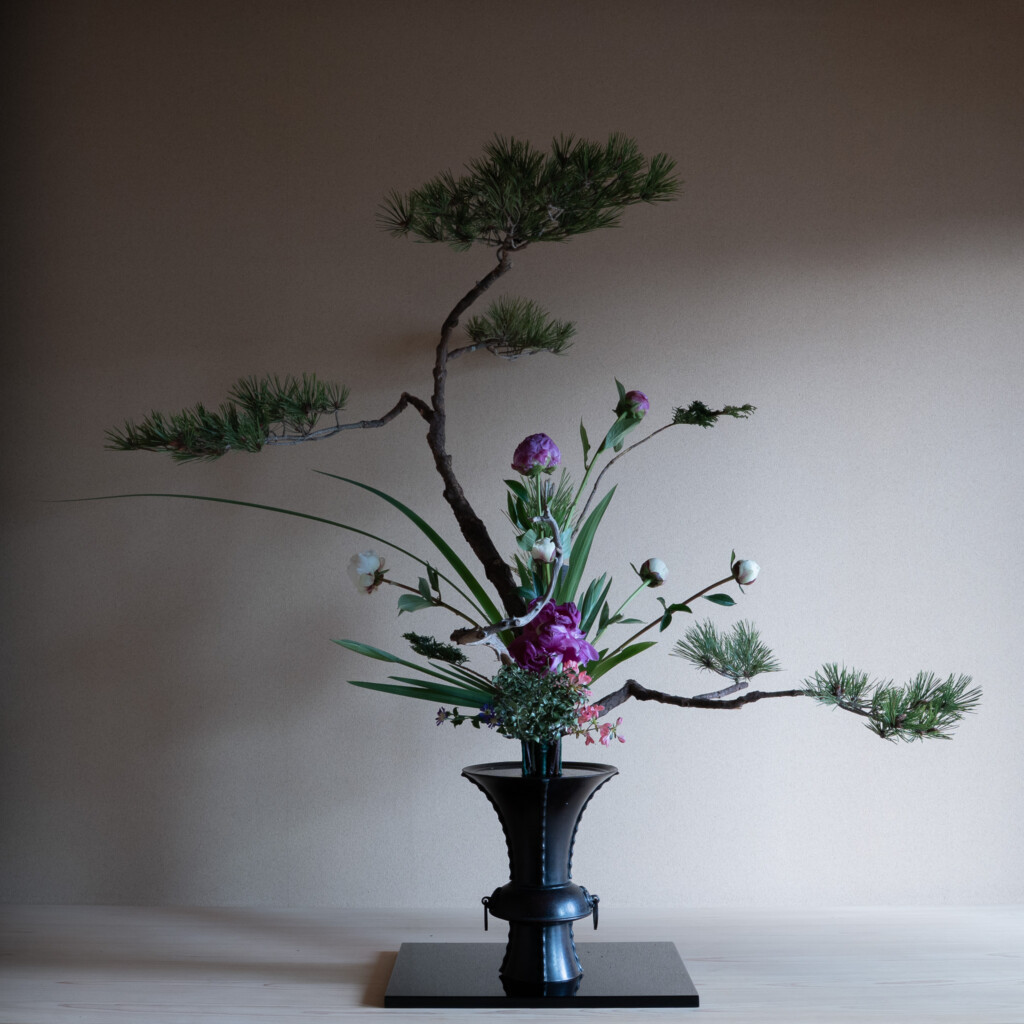
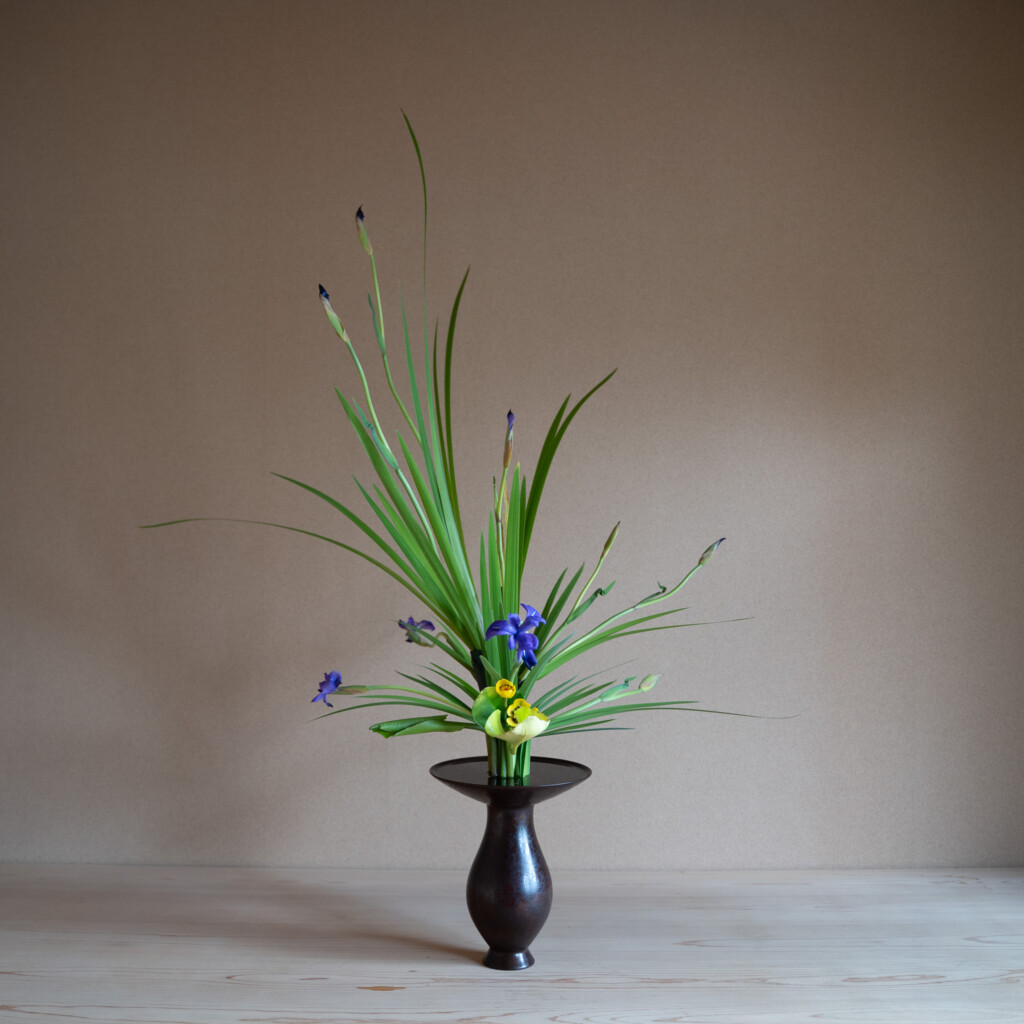
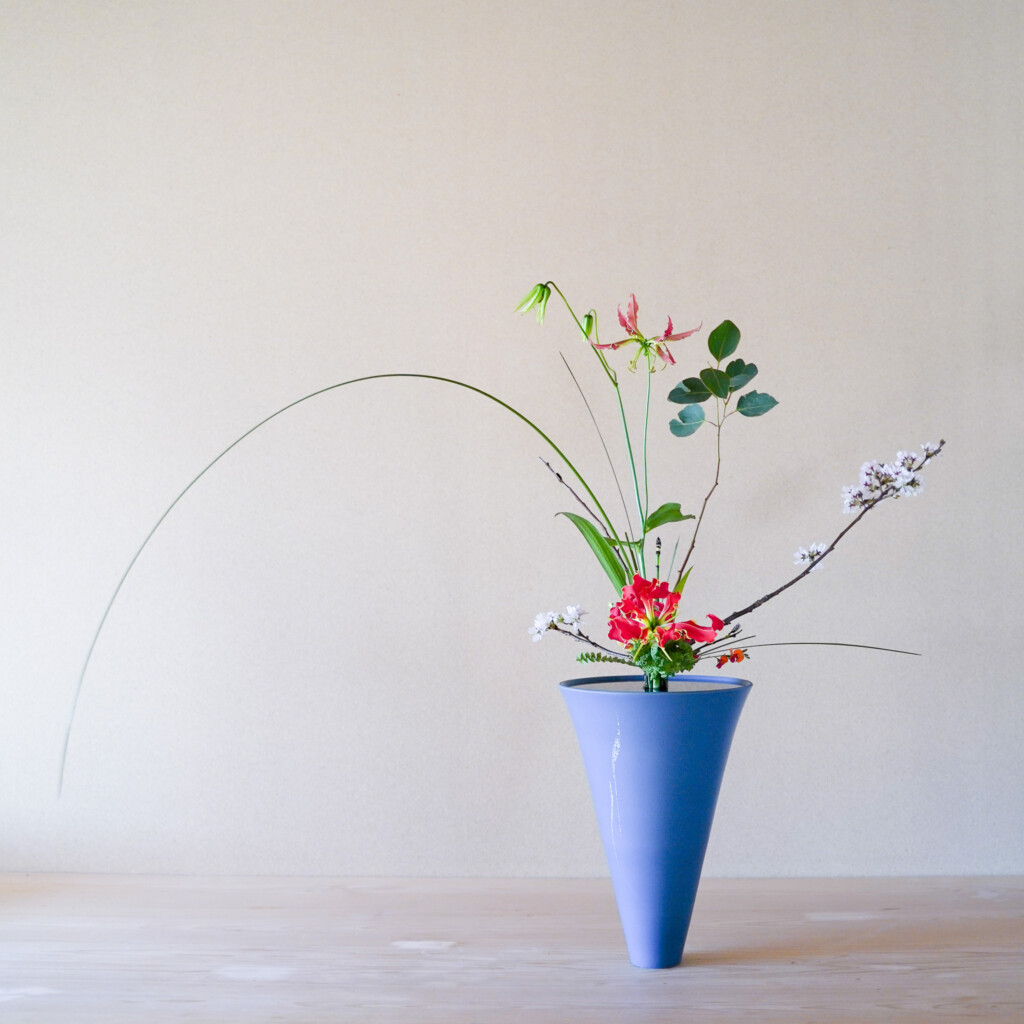
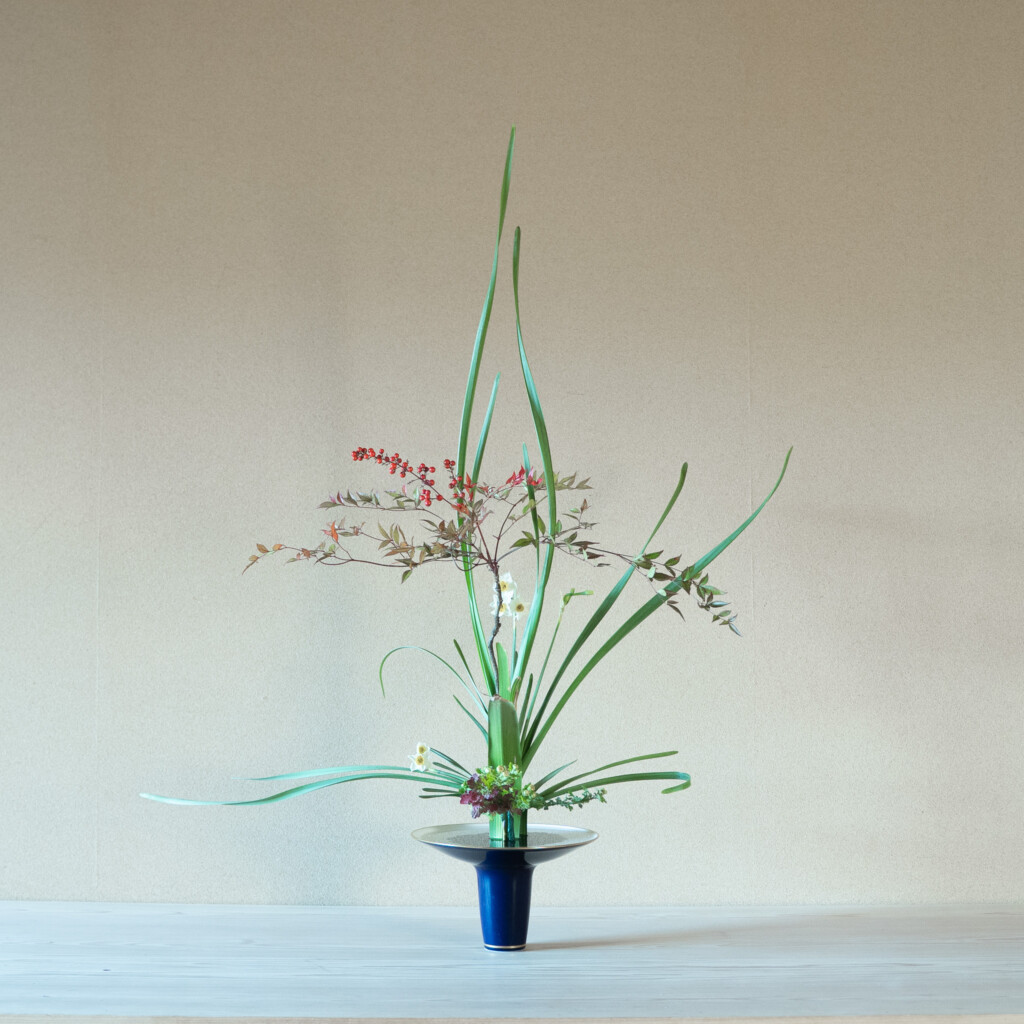
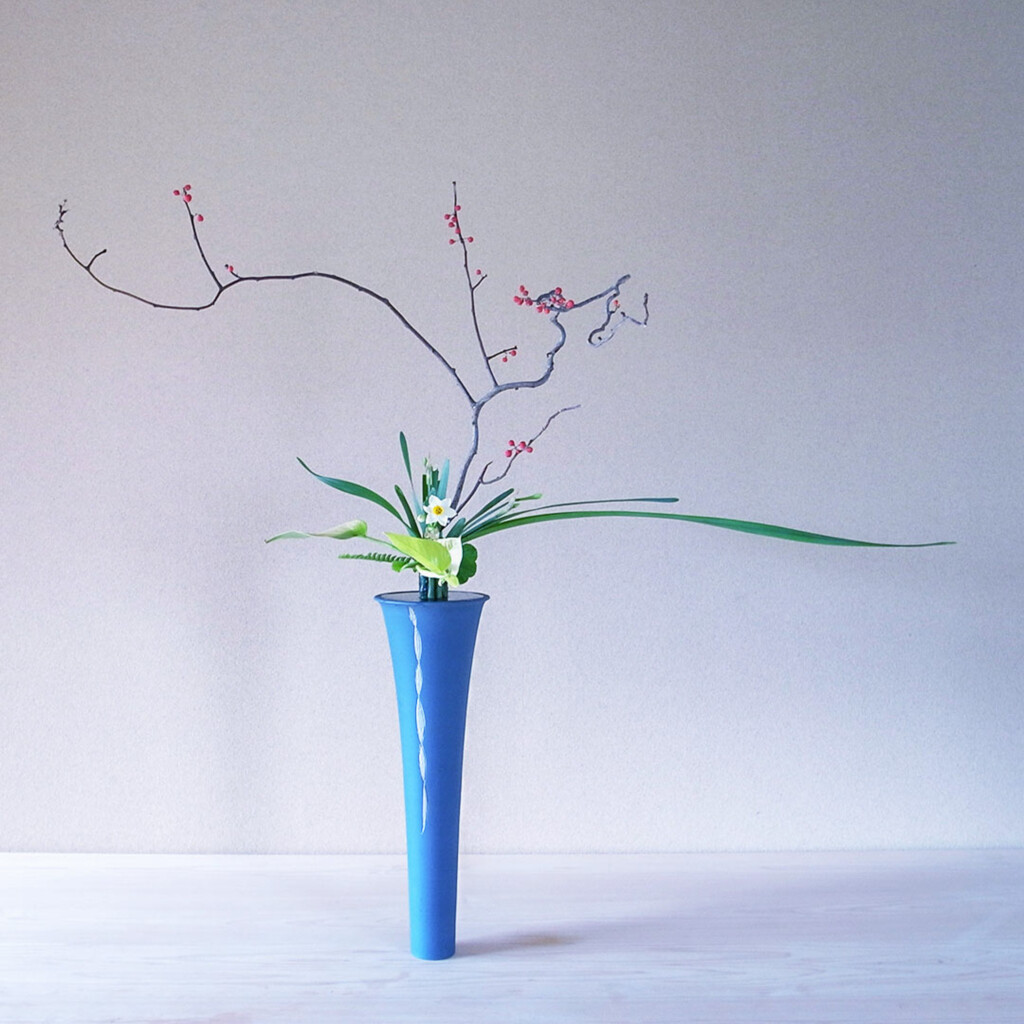
今回の指定を受けて、池坊人だけでなく広く一般にも立花の魅力が伝わることを願います。立花に携わる者の1人として、人の心を打つような立花を立てられるよう精進します。
Rikka has been designated an Important Intangible Cultural Property of Japan. Ikenobo Senei, the head of our Ikenobo school, has been recognized as its holder. In other words, he is now a Living National Treasure.
As a student of Ikenobo, I am very happy that our head master has received this honor. It also means a lot to me that rikka, which we arrange every day, has been given this status. We have always believed rikka is valuable. We have studied it for many years and passed the art on. Now the country has recognized it as an important part of Japanese culture.
What exactly was judged to be valuable? Let me quote from the material published by the Agency for Cultural Affairs.
“Rikka is one of the traditional styles of ikebana. It uses a set of main branches known as the “Nanatsudgu” and other names. It developed from tatehana, which was used to decorate formal rooms in the Muromachi period, and it took shape in the early Edo period. Rikka keeps the old form of ikebana, so it is historically important to Japanese daily culture. Its technique is highly advanced. The arranger chooses plant materials to suit the season. Then they measure the right length for each stem and the right place for each branch. They bring out the character of each plant, and shape it according to its role by sorting, cutting, thinning out, and bending. Finally they set it in a vase, to show nature in a single vessel, such as mountains, fields, and waterside. In these ways, rikka’s technique holds a very important place in the history of daily culture, and it also has very high artistic value.”
As this says, rikka has two kinds of value. It is a valuable historical record, and it is also a living art that still has artistic value today. As someone who actually arranges rikka, I agree strongly. When we study rikka, we can see plants the way earlier masters saw them. At the same time, the complex and precise forms of rikka are a complete kind of beauty. They are not just a legacy from the past. They still look beautiful to us today.
Here are some of the rikka I have arranged. Rikka covers a wide range, but I think all of them are beautiful. By learning the forms our predecessors left us, even an ordinary person like me can create this kind of beauty.
I hope this designation will help more people, not only those in Ikenobo, to find the appeal of rikka. As one person who works with rikka, I will keep training so that I can arrange rikka that move people’s hearts.